


The Russian military-industrial complex, sanctions evasion schemes in microelectronics supply, and the extraction of rare earth metals were the key topics discussed during a coordination meeting between government officials and civil society representatives. Vladyslav Vlasiuk, Advisor — Commissioner of the President of Ukraine on Sanctions Policy, held a working meeting with representatives of leading think tanks. The event was joined by NAKO representatives: Executive Director Olena Tregub, Senior Researcher Viktoriia Vyshnivska, and Head of Communications Yuliia Biehlietsova.
The primary goal of the meeting was to synchronize the efforts of the state and independent investigators to intensify pressure on the Russian economy and block grey import channels supplying the Russian army.
During the meeting, the Presidential Commissioner emphasized the critical importance of research conducted by civil society organizations and its direct impact on the decisions made by the international coalition. “Thank you for your contribution to the sanctions decisions adopted in Ukraine and partner countries. We receive information, tasks, technical assignments, and analytical data. It is vital to utilize these research findings to further strengthen sanctions policy,” Vladyslav Vlasiuk stressed.
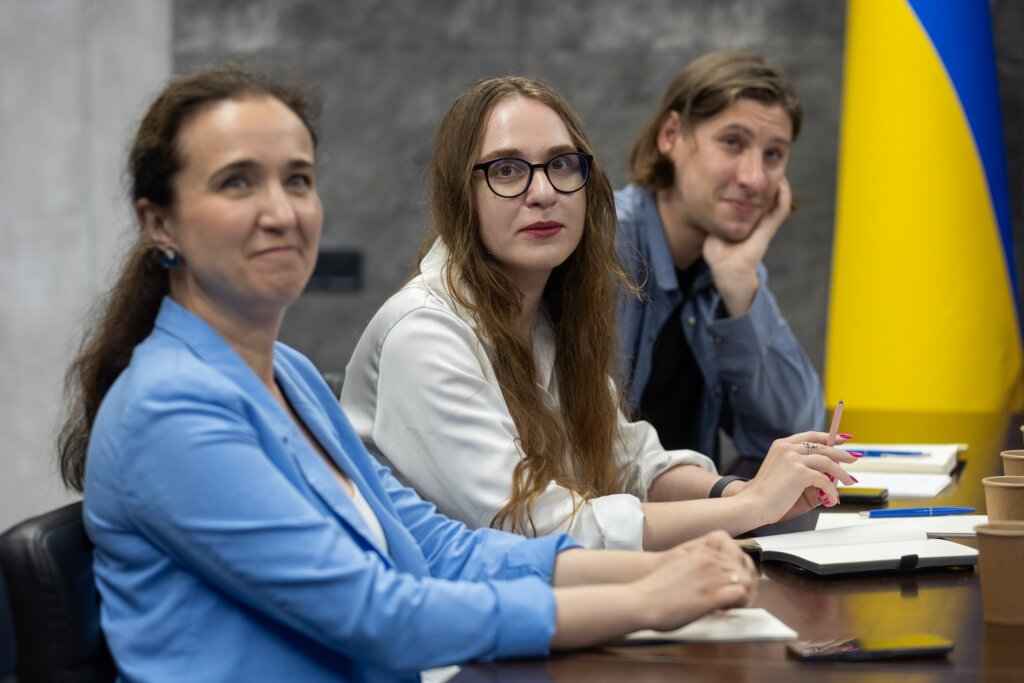
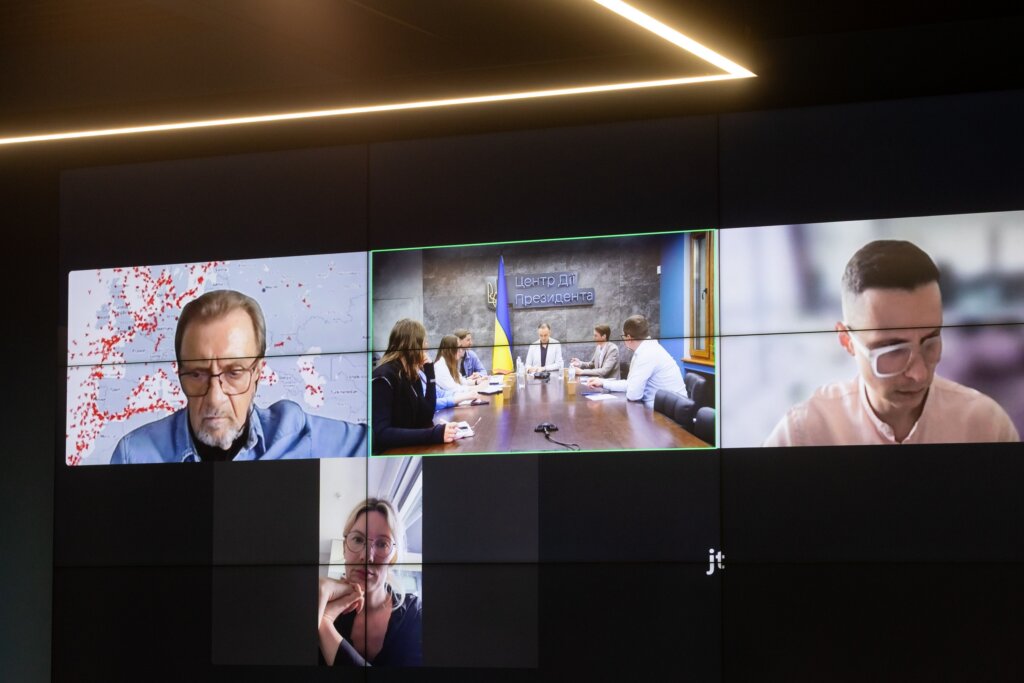
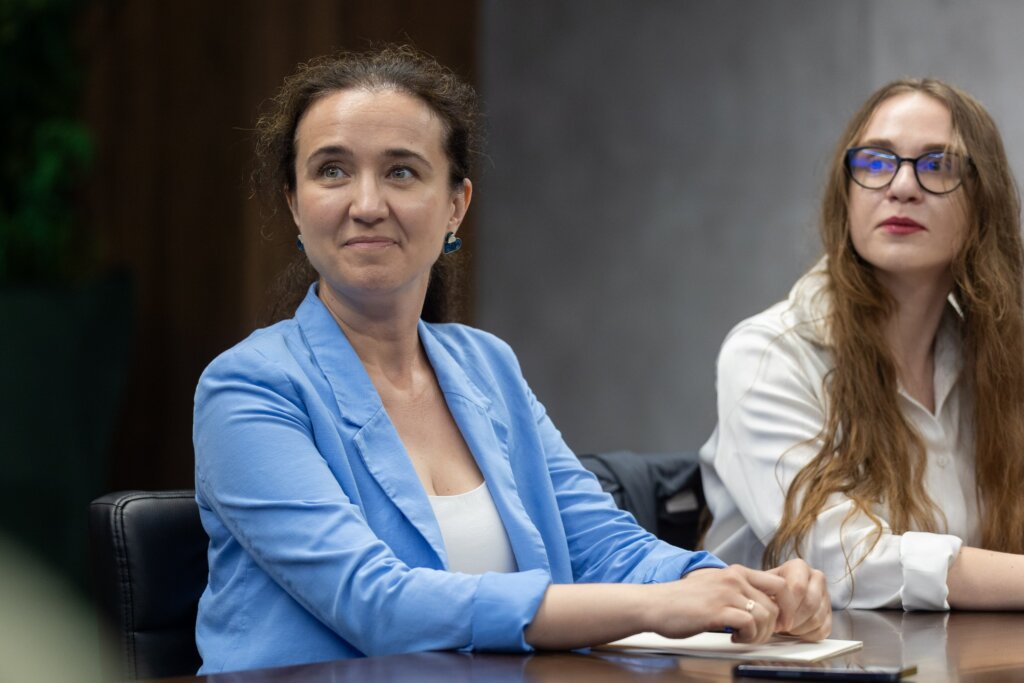
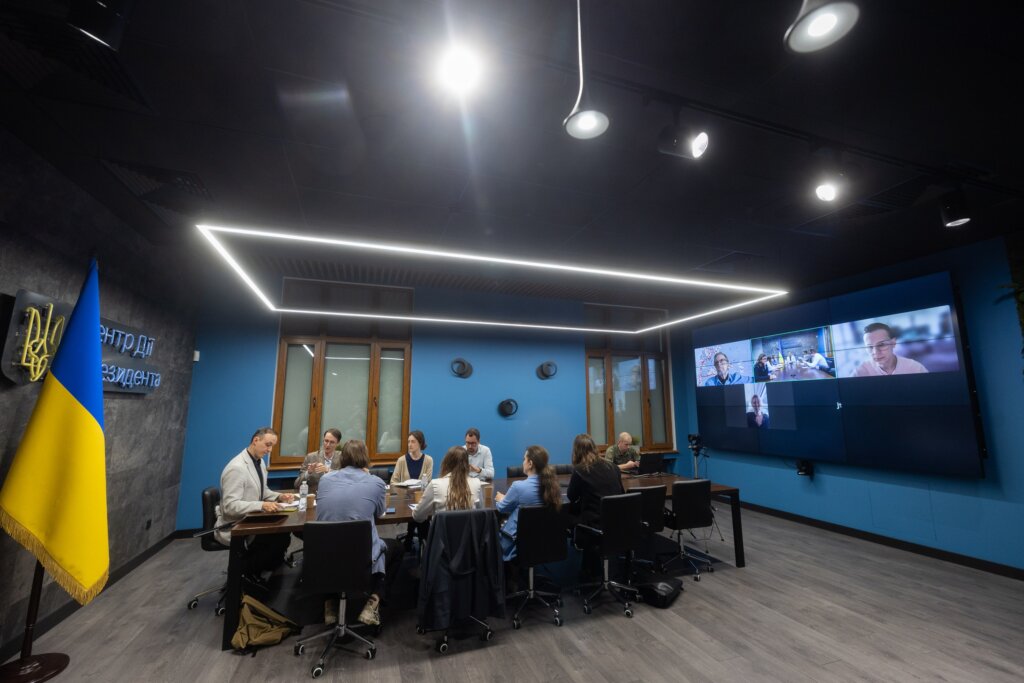
NAKO experts systematically investigate foreign components found in downed Russian drones, which continue to utilize American and European microchips and components despite numerous Western sanctions. During the meeting, Viktoriia Vyshnivska presented the key research projects NAKO is currently focusing on: “There is a fairly wide pool of countries whose imports of critical components have grown anomalously in recent years. In some cases, we are seeing increases of over 400%, which indicates a high risk of re-export to Russia. At the same time, our analysis of Rostec companies shows that Russia is consistently attempting to create its own alternatives to these goods — both for microelectronics and machine tools. Although this import substitution process will be lengthy, we must make every effort to deepen their technological isolation.”
Special attention during the meeting was also paid to an emerging threat: Russia’s attempts to overcome its dependence on imports of scarce minerals and rare earth metals by 2030.
Photos by the Office of the President of Ukraine