
Publications about 'Controlling Drones via Telegram'
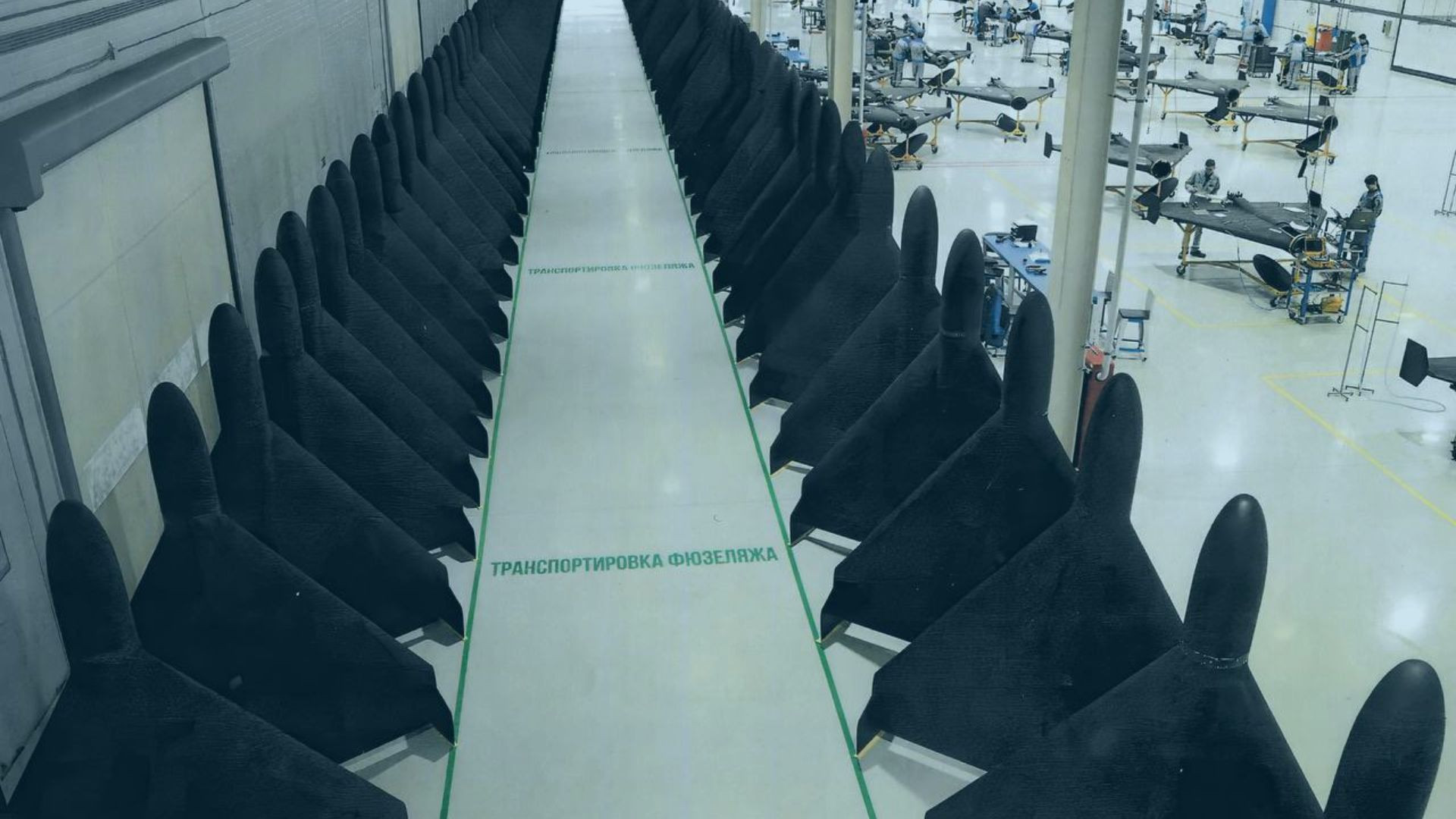
On 25 May 2025, The Economist reported that Russia had modernised Iranian Shahed-136 ('Geran-2') drones and was controlling them via bots on the Telegram messaging app.
According to the article, Ukrainian engineers found a handwritten note inside a downed drone (presumably from a 'sympathetic Russian engineer') stating that Shaheds transmit route coordinates and real-time video footage to operators via Telegram bots.
The Economist claims that these modifications of the Shaheds do not rely on GPS, making them less vulnerable to electronic warfare, and that they use artificial intelligence and connect to the internet via Ukrainian mobile networks.
Reaction of Ukrainian experts
Ukrainians were sceptical about this publication. Andriy Kovalenko, head of the Centre for Countering Disinformation at the National Security and Defence Council, noted that this was not particularly surprising: last year, the Russians began installing cameras on Shaheds. He also emphasised that these drones do not currently have artificial intelligence.
Serhiy 'Flash' Beskrestnov, head of the Radio Technology Centre, refuted a number of The Economist's claims. He confirmed that Shaheds do not have AI, are not remotely controlled via Telegram and do not broadcast video via Ukrainian mobile networks. As before, Shahed drones continue to fly using GPS coordinates and can be suppressed by electronic warfare. No one has found any notes from 'engineer friends from Russia'.
How is Telegram used in drone warfare?
According to Beskrestnov, Shaheds have a tracker that sends information about their location, speed and altitude via a Telegram bot. Mobile networks and SIM cards are used for this purpose. 'The SIM cards can be Russian, Ukrainian, or from other countries. We have found hundreds, if not thousands, of these modems and SIM cards in the wreckage. Given this, we do not allow Shaheds to operate through our mobile networks,' he explained.
Oleksandr Fedienko, a member of the Verkhovna Rada Committee on National Security, also confirmed the use of Ukrainian SIM cards in Shaheds. He stated that the state is working to restrict the enemy's access to Ukrainian mobile operators' infrastructure.
According to the Defence Intelligence of Ukraine, the Russians use disposable Telegram bots, as well as Raspberry Pi mini-computers, webcams and 3G/LTE modems, to transmit video from the drones.
It is important to note that this does not mean remote control of the drone. The Shahed-136 flies autonomously along a pre-set route. In theory, mobile communications could allow the route to be adjusted or the drone to be targeted, but there is currently no confirmation of this. It is more likely that Russia will use these technologies for reconnaissance, data transmission, and confirmation of strike results.
