

A review, prepared in partnership with Molfar OSINT initiative
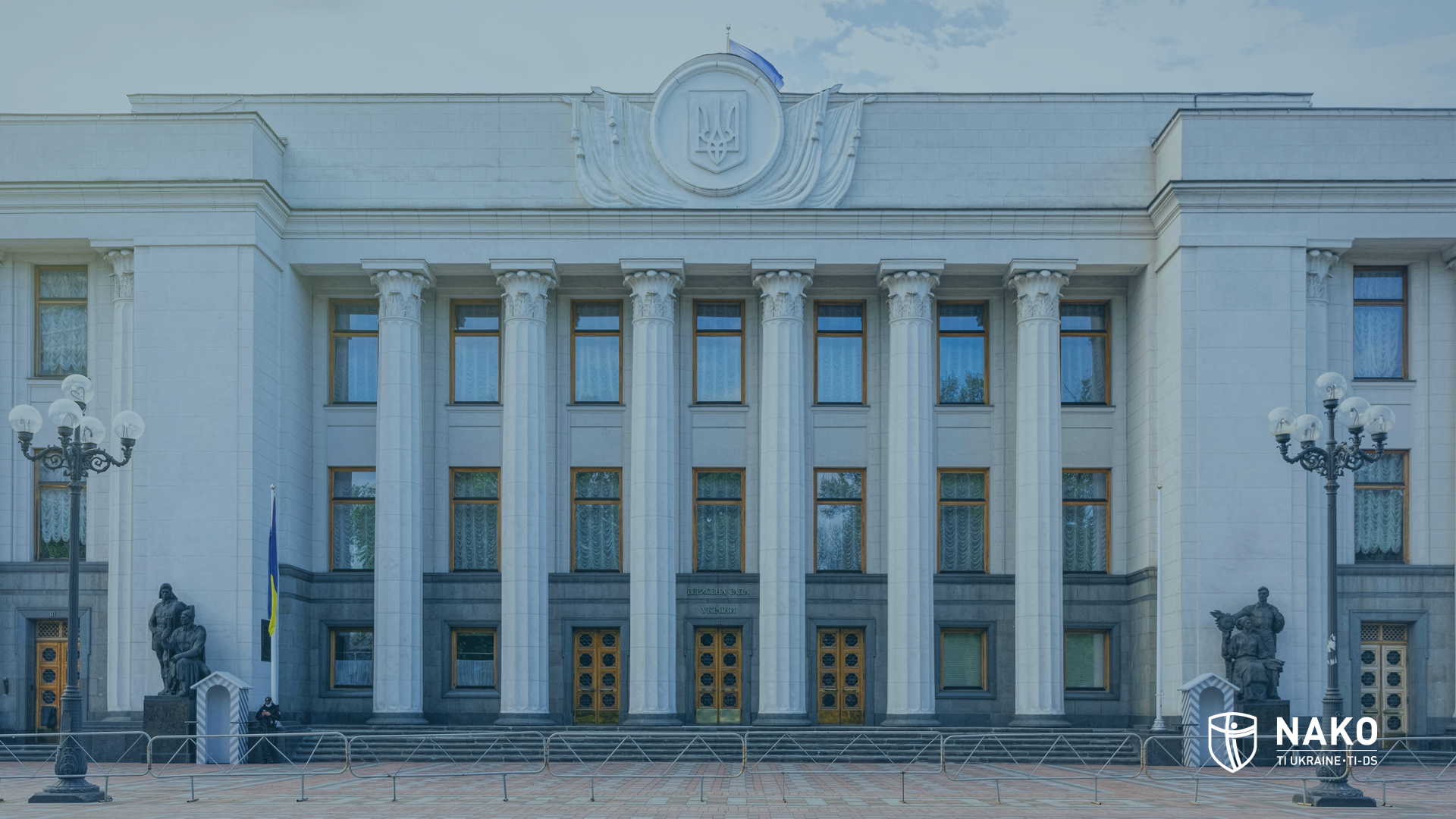
In 110 days of the war, Verkhovna Rada approved more than 100 laws: from martial law and changes to the labour law to remuneration for trophy equipment and business facilitation.
The priorities include:
- Organizational support of martial law and repulse of the Russian aggression. Approval and extension of the Presidential Decrees on martial law and general mobilization, as well as the Armed Forces of Ukraine and other military formations, create a framework for a legal status of martial law. Regulations on the participation of civilians in Ukraine’s defence and “combat immunity” guarantee the right of Ukrainians to armed protection of the Motherland.
- Adaptation of criminal and criminal procedural legislation to wartime realities: Enhancing criminal liability for certain crimes (sabotage, treason, looting, collaboration, ban on the production and distribution of propaganda information products). The possibility of changing the territorial jurisdiction of courts and establishing the features of pre-trial investigation during martial law has also been implemented.
- Sanctions mechanism – The law entitles the Cabinet of Ministers to address the NSDC with a draft decision on the forcible seizure of property rights of the Russian Federation or its residents. After the decision is made and enacted by the President, such objects should become the property of Ukraine.
- Economic support – deferral of reporting, simplified taxation, and adaptation of labour relations are designed to facilitate the restructuring of the economy into a war economy.
- International relations – apart from addressing the international organizations, Verkhovna Rada has begun breaking off the agreements with the aggressor country, particularly on issues like double taxation avoidance.
The analysis of Verkhovna Rada’s activity indicates several significant trends:
- stability. The majority of MPs take part in plenary meetings. Various estimates show it is more than 300 people. All meetings and voting take place directly in the Verkhovna Rada. Accordingly, even during martial law, the work of Parliament is carried out regularly.
- decrease in publicity. After February 24, 2022, the coverage of the Verkhovna Rada became more restrained. The meetings’ date, time and agenda are not made public, and there are no roll call results. Most meetings of the Verkhovna Rada committees are held remotely and in a short time. According to the leadership of the Verkhovna Rada, such a regime of information disclosure is, first and foremost, the security requirements.
- narrowing of the public dialogue. Given the declining publicity and the rapid passage of bills in committees, civil society and experts cannot effectively participate in their development and evaluation. As the focus of MPs is gradually shifting from the urgent challenges of martial law towards more strategic issues of economic stability and reconstruction, expanding opportunities for balanced policy-making is necessary.
- maintaining the pressure of civil society. Despite the declining publicity of decision-making, civil society institutions continue to influence the formation of the parliamentary agenda. For example, due to public debate, the MPs withdrew the bill on expanding the rights of military commanders to use weapons on subordinates. Following the public statement on the inadmissible tone of communication of the Parliamentary Commissioner for Human Rights on war crimes, the Parliament expressed distrust in the Ombudsman. At the same time, the enemy can use sharp public debates to destabilise domestic policy, so finding new opportunities for meaningful dialogue and decision-making is essential.
NAKO continues to monitor the legislation activity of Verkhovna Rada and is ready for effective cooperation.