

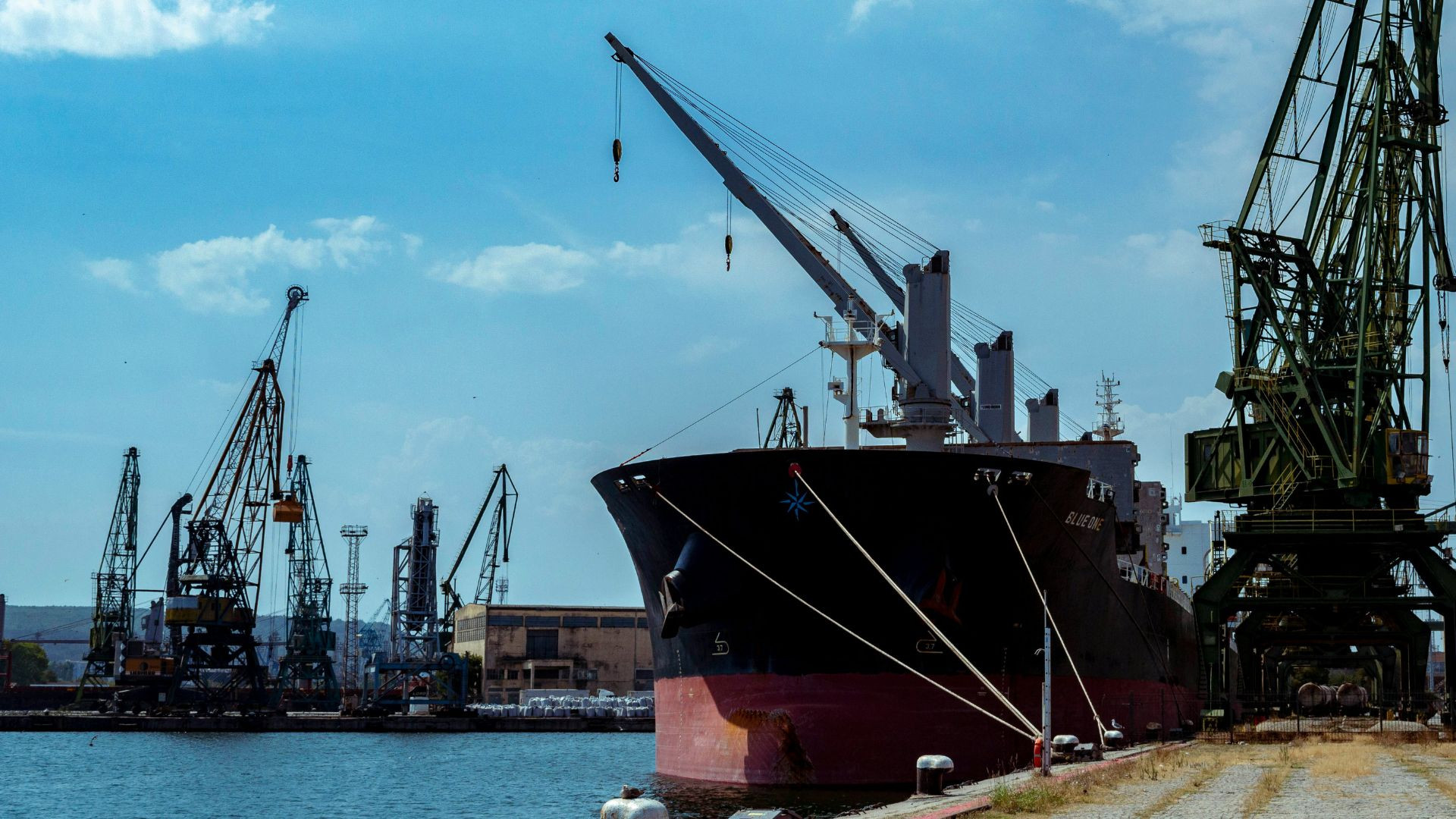
On 28 May 2025, the European Commission presented a new strategy for the Black Sea region aimed at strengthening cooperation with Ukraine, Moldova, Georgia, Türkiye, Armenia, and Azerbaijan. The initiative also seeks to reinforce the EU’s geopolitical role in the region against the backdrop of Russia’s war against Ukraine.
The Black Sea is a transport and energy hub connecting Europe with the Caucasus and Central Asia. The region is strategically important for international trade, energy and food security, including the export of Ukrainian grain. The EU aims to address the challenges caused by Russia’s military aggression — mined waters, destroyed ports, and cyberattacks — while also offering the region’s countries deeper integration with the EU.
The strategy sets out mutually beneficial partnerships in three key areas:
- Security. The plan is to make the Black Sea safer for navigation through demining, protecting critical infrastructure (ports, energy facilities, undersea cables), and countering hybrid threats. These measures will be coordinated by a new Black Sea Maritime Security Hub to be established under the strategy.
- Sustainable Growth. The goal is to create new economic opportunities that reduce dependence on Russia in energy and trade. This includes investments in the blue economy, development of transport routes between the EU, the South Caucasus, and Central Asia, as well as energy corridors and digital networks.
- Environmental Resilience and Crisis Preparedness. This involves strengthening the resilience of Black Sea coastal areas to environmental and climate challenges, eliminating environmental damage caused by Russia’s aggression, adapting to climate change, and enhancing civil protection.
The Black Sea Strategy is part of the EU’s broader action plan, which also includes the Crisis and Threat Preparedness Strategy, the ProtectEU Internal Security Strategy, the European Defence White Paper, and other initiatives. Its implementation could improve freedom of navigation, support economic growth in the Black Sea region, and enhance the environmental health of the sea.
The next step proposed by the European Commission is a ministerial meeting between the EU and partner countries to discuss the opportunities offered by the Black Sea Strategy.