
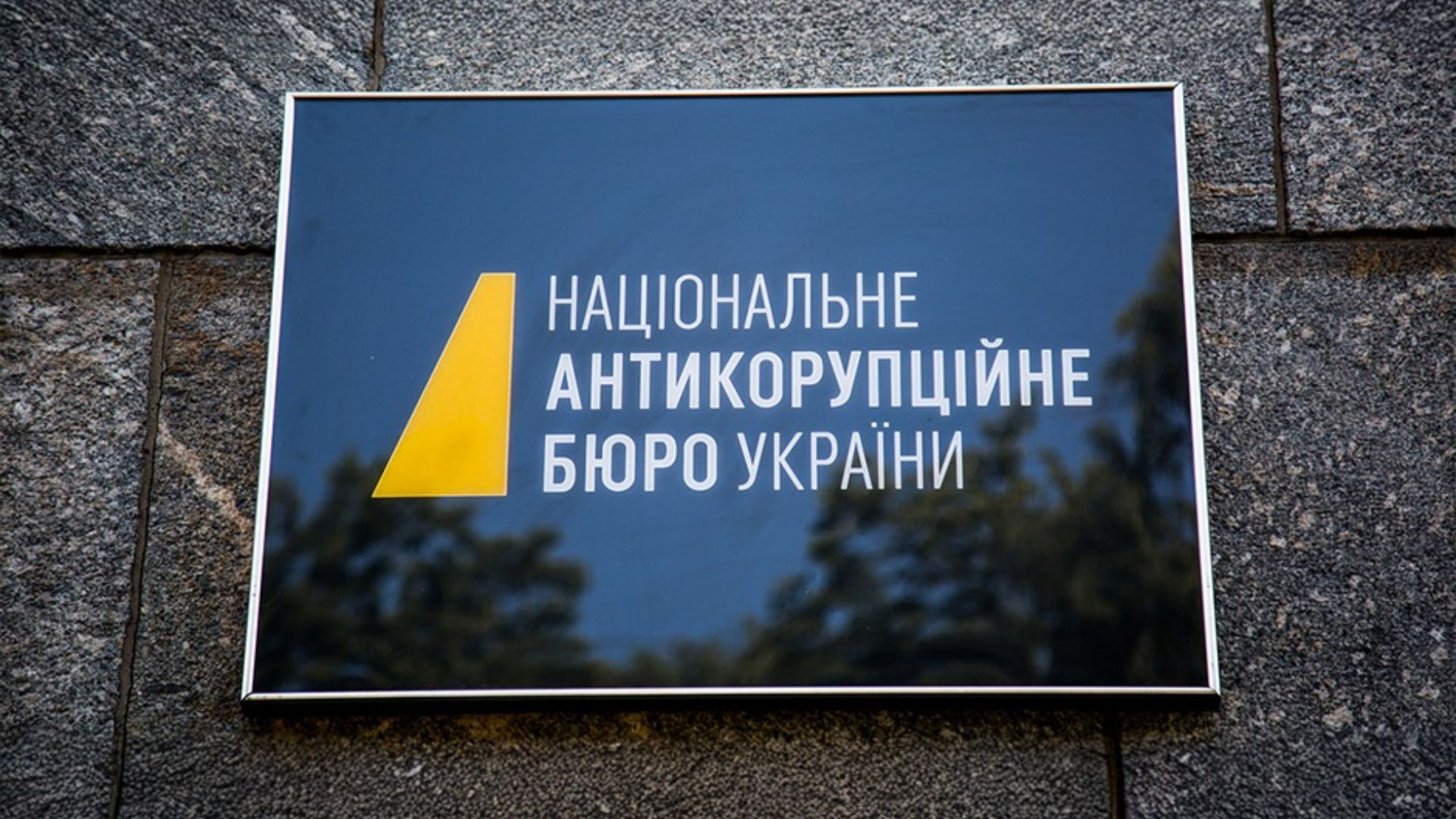
On July 21, 2025, the Security Service of Ukraine (SSU) and the Prosecutor General's Office (PGO) conducted at least 70 searches involving 15 employees of the National Anti-Corruption Bureau of Ukraine, according to a statement from NABU.
"According to available information, the investigative actions are being carried out without court warrants. In most cases, the grounds cited for these actions are the alleged involvement of certain individuals in traffic accidents. However, some employees are being accused of possible connections with the aggressor state. These are unrelated matters," the statement reads.
Simultaneously, the SSU initiated an unscheduled inspection of compliance with state secrets legislation at both NABU and the Specialized Anti-Corruption Prosecutor’s Office. NABU noted that as part of this inspection, SSU officers may have gained access to information about covert and operational activities, as well as special operations conducted by anti-corruption agencies. Disclosure of such information could affect the course of ongoing investigations.
Later, the SSU commented on the inspection, assuring that its officers had not accessed sensitive information. The agency also noted that conducting investigative actions without a court order is not a violation of the law if obtaining a warrant could lead to a leak of information.
Business in Russia, Ties to the FSB, and Treason Suspicions: What’s Known About the Special Operation by the SSU and Prosecutor General’s Office
The SSU and the PGO detained the head of one of NABU’s interregional detective departments on suspicion of operating a business in Russia. The individual in question is Ruslan Mahamedrasulov, who coordinates NABU operations in the Dnipropetrovsk and Zaporizhzhia regions. According to the SSU, he acted as an intermediary in the sale of batches of industrial hemp cultivated by his father, who holds Russian citizenship, to the Republic of Dagestan in Russia. Furthermore, Mahamedrasulov is suspected of passing classified information to Russian intelligence services, including details about planned investigative actions.
Investigators discovered that the NABU official had been in contact with MP Fedir Khrystenko, a member of the now-banned Opposition Platform-For Life party, who was reportedly recruited by Russian intelligence in the 2010s. In early 2022, he fled the country. Fedir Khrystenko was notified in absentia of suspicion of treason. Case materials indicate that he was involved in strengthening Russian influence over NABU and, aside from Mahamedrasulov, maintained contacts with other bureau leadership figures.
Additionally, law enforcement detained an employee of NABU’s secret "D-2" division who was spying for the FSB. Investigators recorded that the agent had been transmitting classified information to Dmytro Ivantsov, former deputy head of Yanukovych’s security detail. This included personal data of Ukrainian security personnel and other citizens from restricted law enforcement databases. Russian intelligence reportedly intended to use this information for targeted terrorist attacks and information operations.
"I don’t believe that today’s searches will lead to the dismantling of NABU or SAPO. My contacts within the SSU assured me that their actions had no political motives, and that the evidence against the detainees will be compelling. However, considering that more than 70 searches were carried out without court warrants, we face the risk that the information collected may be used as psychological pressure or as a tool for political bargaining and influence over NABU and SAPO—which is absolutely unacceptable. It is also crucial to obtain official confirmation from the anti-corruption agencies regarding what sensitive information was seized, because without it, the operation appears more like a nerve-wracking show.
One more thing—piles of cash and shirtless torsos in underwear look flashy in photos and boost social media engagement. But in reality, they carry little legal weight in court, and their use by Russian propagandists harms the state. We must decide what really matters," emphasized Tetiana Nikolaienko, NAKO senior researcher.
