
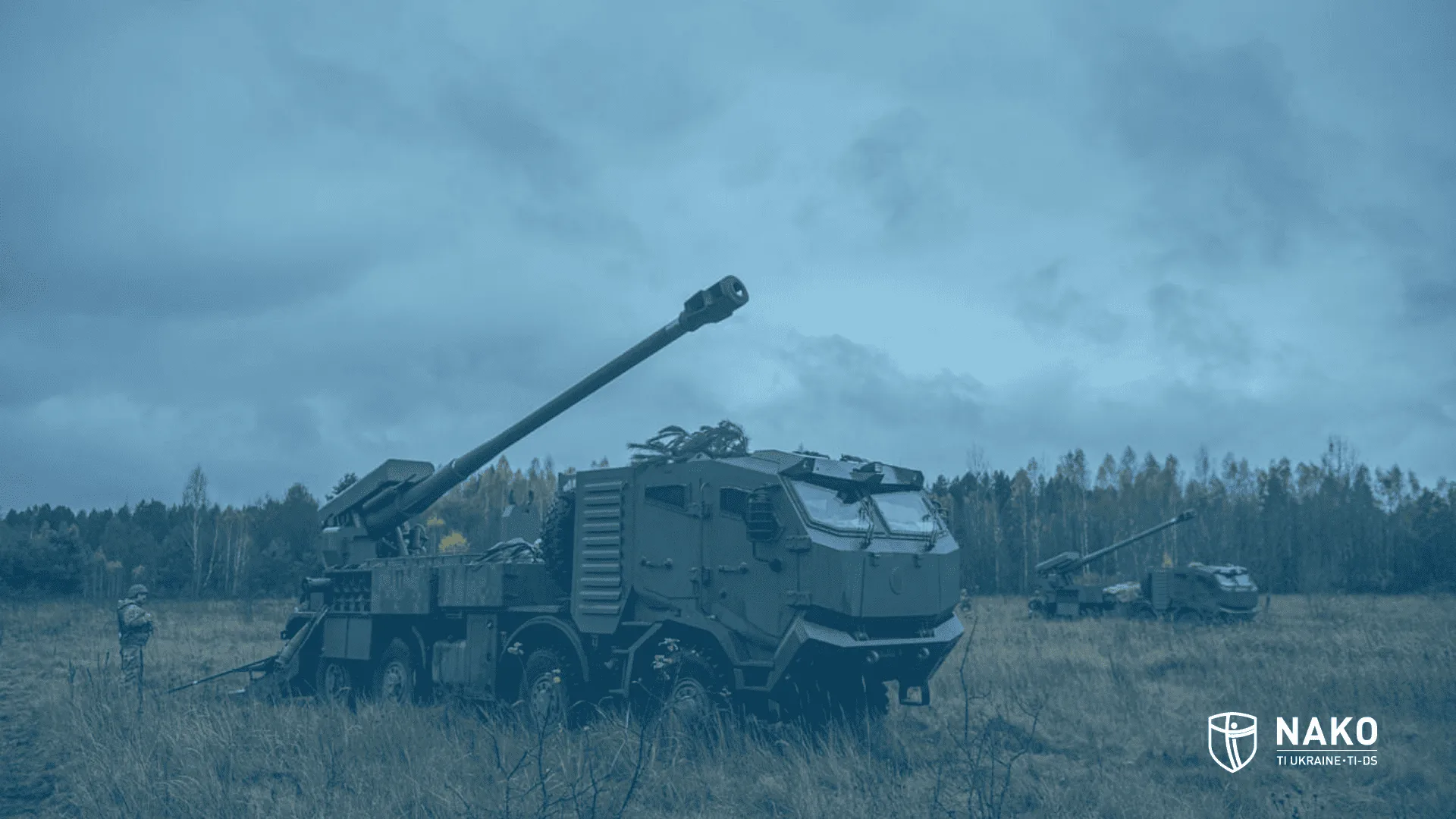
Denmark was the first country to invest in the Ukrainian defence industry. Having exhausted the stock of weapons that could be transferred to the Armed Forces of Ukraine, Denmark began directly financing the production of military equipment in Ukraine. This form of cooperation is known as the Danish model.
Other European countries are gradually following Denmark's example. At the fourth Ukraine-Northern Europe Summit, Iceland, Norway, Finland, and Sweden declared their readiness to develop cooperation with the Ukrainian defence industry.
Denmark has earmarked $680 million for Ukrainian-made weapons as part of this initiative. Of this amount, $180 million is Denmark's own money and another $400 million is confiscated Russian assets, the WSJ reports. At the same time, Norway has provided $42 million and Sweden more than $20 million.
What is the Danish model?
EU countries can finance contracts with Ukrainian manufacturers to produce weapons for the Armed Forces. Ukraine creates the order: it chooses the companies and the types of weapons it needs, and the European countries, for their part, conduct an independent audit of the manufacturers.
This approach allows Ukraine to receive weapons more quickly and in larger quantities than similar European production. It also helps to increase the production capacity of Ukrainian companies, which today do not use their full potential due to insufficient funding. Ultimately, the Danish model will make Ukraine less dependent on foreign aid, said the Danish defence minister.
Ukrainian President Volodymyr Zelenskyy said in October 2024 that thanks to funding from partners, Ukraine was able to start producing almost 20 Bohdana artillery systems per month. In December 2023, Ukraine produced six artillery systems per month.
Ukraine's goal is to convince other partners to use the 'Danish model', says Olena Tregub, NAKO Executive Director. "They have concerns that they shouldn't give money directly to Ukraine for arms purchases because of corruption risks, but we say there is a new Defence Procurement Agency with a supervisory board, so there is no need to be afraid," she says.
According to the WSJ, Europe prefers the Danish model because its experts can inspect Ukrainian companies and directly monitor contractual obligations. This greatly reduces the risk of corruption in arms procurement.
Photo: Joint Forces Command of the Armed Forces of Ukraine
