

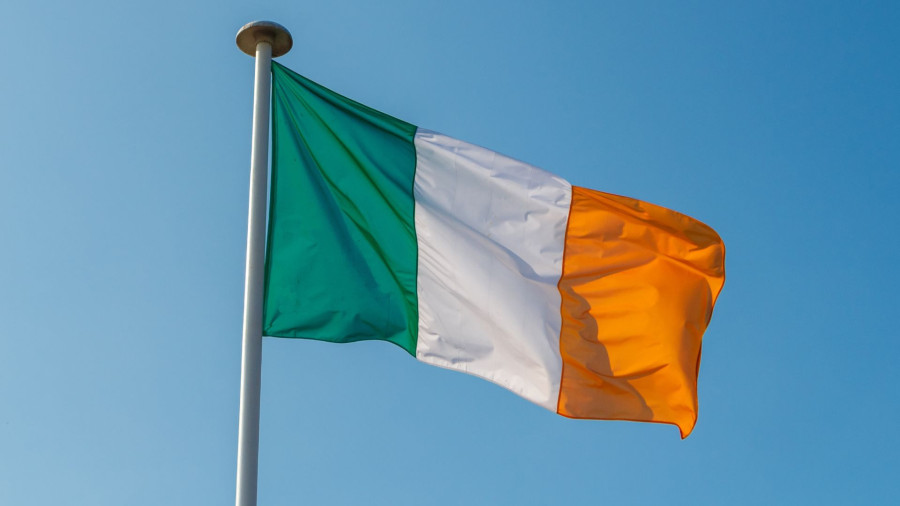

The U8 Ukrainian analytical center conducted a study of Irish-made goods supplied to Russia over the 12 months from April 2024 to March 2025.
The total value of Irish products supplied to Russia during this period amounted to $2.2 billion, of which at least $197 million was for products that were already subject to EU sanctions at the time of delivery. According to US sanctions restrictions, the value of the same goods prohibited from being supplied to Russia amounted to $1 billion. The main difference concerns aluminum oxide, which is banned from supply to Russia in the US, but not banned in the EU.
Supplies of aluminum oxide (not EU prohibited) from Ireland to Russia increased from an average of $12.7 million per month in 2021 to $68.8 million per month in Q1 2025, and their share of all imports of this product to Russia increased from 11% in 2021 to 21% in Q1 2025. These deliveries were carried out from the Irish plant of Alpia LLC, controlled by RUSAL, to Russian enterprises of the RUSAL group.
Companies from Azerbaijan, China, Georgia, Serbia and Turkey played the largest role in circumventing EU sanctions.
The full version of this report was presented to the governments of Ireland, Ukraine, the EU and other countries of the Democratic Coalition.
The study contributes to the broader efforts of Ukrainian civil society to strengthen sanctions against Russia. To coordinate these efforts, the Public Sanctions Council was established as an independent civic platform, uniting 13 NGOs working to enhance sanctions pressure on Russia. NAKO is one of its co-founders and active participants. The Council regularly engages with the Presidential Envoy on Sanctions Policy, Vladyslav Vlasiuk, and develops proposals for more effective sanctions mechanisms.
We are publishing this news in partnership with the U8 Ukrainian Analytical Center NGO.
This report is produced by U8 Ukrainian Analytical Center NGO with the support of the Askold and Dir Fund as a part of the Strong Civil Society of Ukraine — a Driver towards Reforms and Democracy project, implemented by ISAR Ednannia, funded by Norway and Sweden. The contents of this publication are the sole responsibility of U8 Ukrainian Analytical Center NGO and can in no way be taken to reflect the views the Government of Norway, the Government of Sweden and ISAR Ednannia.