
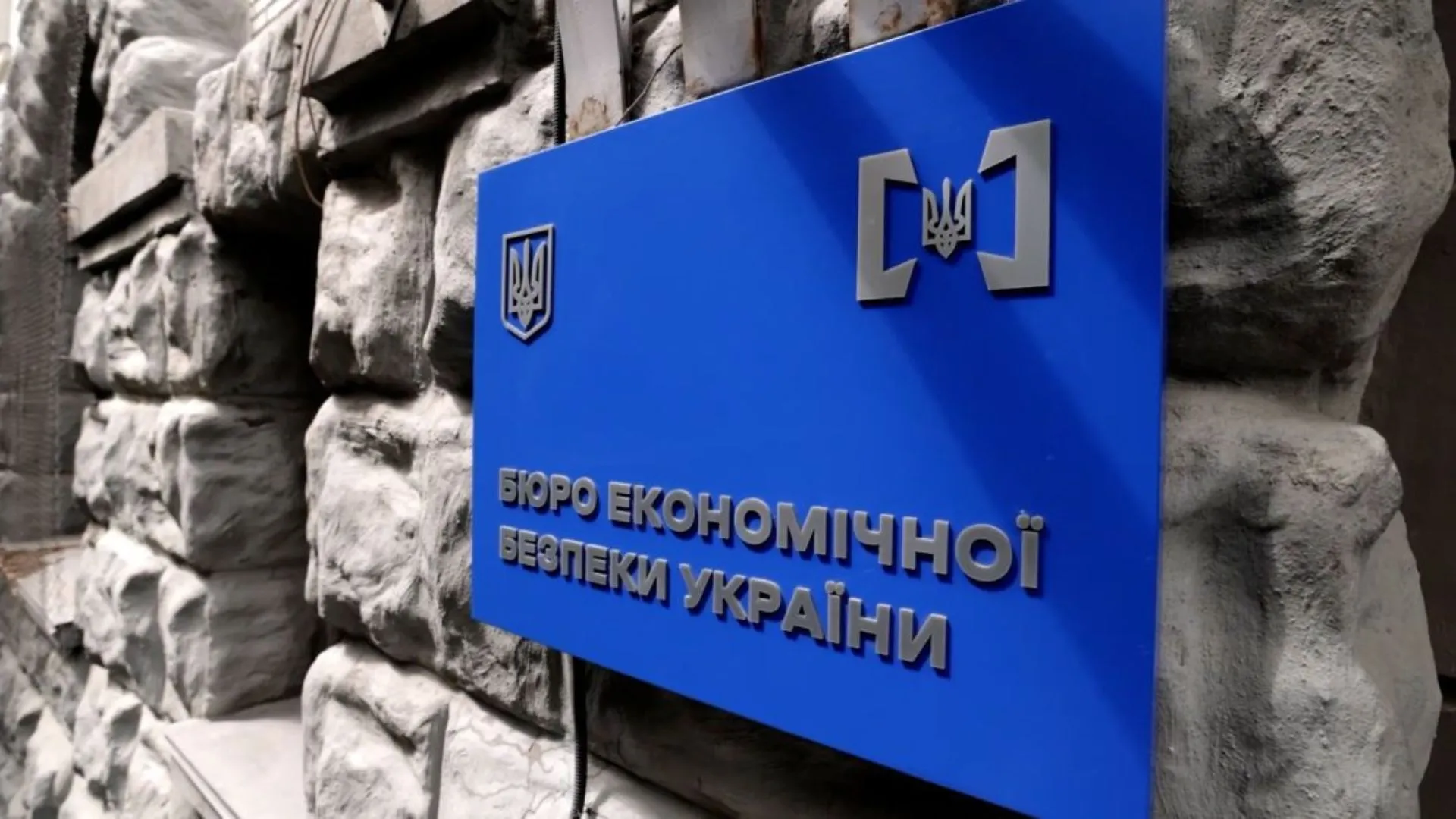
On 1 August 2025, Ukraine’s Prime Minister Yuliia Svyrydenko announced that Oleksandr Tsyvinskyi, the finalist in the competition for Director of the Economic Security Bureau (ESB), had agreed to take a polygraph test. According to her, this would “eliminate all questions and doubts in a civilized way” and “remove any room for manipulation.”
Ukrainian legislation defines the polygraph as a tool to assess a person’s emotional state rather than a definitive test of truthfulness. While it may be viewed as a way to enhance transparency and public trust in appointments, neither the ESB law nor the rules of the leadership competition require a polygraph test. Its results cannot legally be grounds to reject a candidate.
A polygraph is only mandatory for positions involving the assignment of special ranks. The position of ESB Director does not fall into that category, making the use of a polygraph test optional. This raises political risks, as unjustified use of the test could be perceived as an attempt to manipulate the outcome of the competition or exert political pressure on candidates.
According to Viktoriia Vyshnivska, NAKO Senior Researcher, polygraph results cannot be fully relied upon. It is possible to deceive the test — as did, for instance, the former head of a defence enterprise, who passed a security check but was later found to have deliberately sabotaged the company's operations.
Human factors also play a role. Vyshnivska notes that the risks include not only errors in interpreting polygraph results, but also deliberate misrepresentation. Polygraph examiners typically bear no responsibility for incorrect interpretations — whether intentional or accidental. The testing procedure does not involve a neutral observer to monitor the impartiality of the examiner. In such circumstances, the examiners themselves would need to be tested before testing others — which is clearly absurd. Even then, it would not guarantee that the results are accurate or reliable, the expert added.
“Given these shaky and subjective conditions, relying on the so-called ‘lie detector’ is ill-advised — it should only be considered an additional, non-binding element, not a decisive argument for or against a particular candidate. After all, among those who successfully passed a polygraph test was SBU senior official Oleh Kulinich, who in 2022 was charged with high treason for passing intelligence data to Russia,” Vyshnivska emphasized.
About the ESB competition
On 24 June, the selection commission for the position of ESB Director announced Oleksandr Tsyvinskyi as the winner. However, the Cabinet of Ministers declined to approve his appointment. After reviewing the commission’s submission and additional materials from the Security Service of Ukraine “related to national security and containing relevant security assessments,” the Cabinet asked the commission to resubmit “no more than two candidates who fully meet all established requirements, including security criteria.”
According to media reports, the concerns stemmed from possible Russian citizenship of Tsyvinskyi’s father. “Even if my father is currently a Russian citizen — which has not been confirmed — he has lived in Ukraine for the last 30 years. I haven’t spoken to him in ten years. I was raised by my stepfather, so the security concerns are absurd, especially considering I served in the ATO in 2014 and for a year after the full-scale invasion began in 2022,” Tsyvinskyi told Suspilne.
At its meeting on 14 July, the ESB selection commission refused to change its choice of winner. Tsyvinskyi himself requested the SBU to provide complete information, including the security assessment. “In response to my request, the SBU stated that the Cabinet of Ministers had not submitted any inquiry regarding my candidacy. The entire review was conducted solely at the request of the commission’s chair, Laura Ștefan. The letter referred to by the Cabinet is dated 30 June — after the competition had ended, the commission’s decision was made, and the documents had already been submitted to the government. There is no second copy of the letter. After being returned from the Cabinet, it was destroyed. Therefore, no official document currently exists that contains any ‘security risks,’” he wrote on 31 July.
The ESB leadership competition is part of the broader reboot of the Bureau, which is one of the International Monetary Fund’s requirements for Ukraine.
Oleksandr Tsyvinskyi has more than 20 years of experience in law enforcement. As Head of the Third Unit of Detectives of the NABU Second Main Department, he holds a current security clearance. Background checks conducted in accordance with the Law on Preventing Corruption revealed no red flags regarding Tsyvinskyi’s candidacy, confirming its legal validity.
