
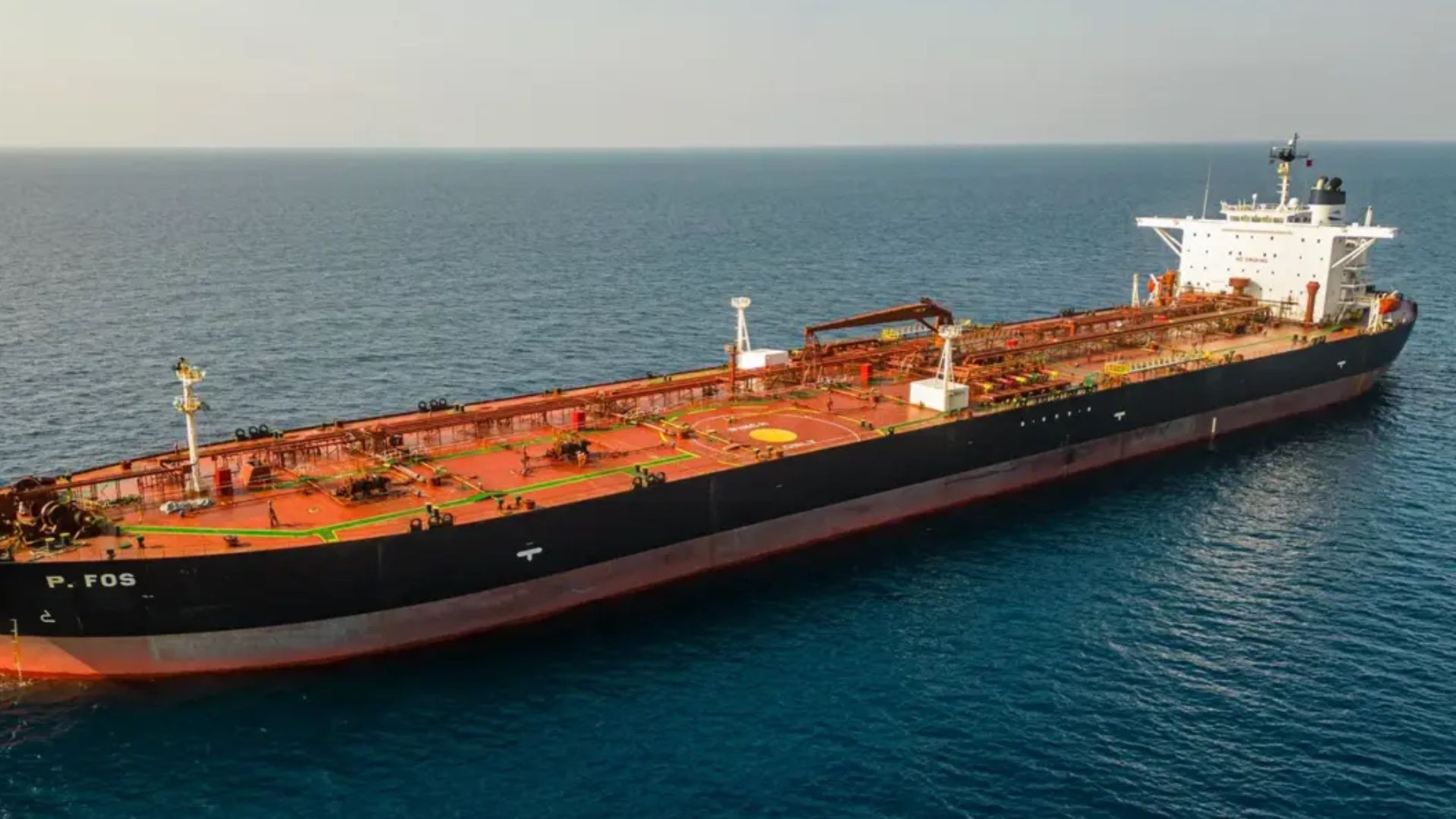
Since the beginning of the full-scale invasion of Ukraine, Russia has rapidly expanded its so-called shadow tanker fleet to circumvent oil sanctions and the oil price cap. These tankers use various tactics: sailing under "flags of convenience," concealing their routes, conducting ship-to-ship oil transfers in open waters, and blending Russian oil with oil of other origins. These actions significantly increase the risk of accidents and oil spills.
In addition, Russia deploys its shadow fleet for sabotage operations targeting Western countries' underwater infrastructure. "Broken cables, disrupted signals, and suspicious vessels are a major concern for us," noted Germany's Minister of Foreign Affairs Johann Wadephul, warning about the threat posed by Russia's shadow fleet in the Baltic Sea.
As of July 11, 2025, Ukrainian intelligence has identified 1,025 vessels belonging to Russia's shadow fleet. Most of them are old, uninsured tankers, which Russia purchased for around $10 billion between 2022 and 2024. Research and investigations confirm that many of these vessels were previously owned by companies based in the United States and Europe.
Oil revenues remain a key funding source for Russia's military and defence-industrial complex. According to the latest estimates by the KSE Institute, depending on the implementation of sanctions in 2025, Russia could earn between $102 and $163 billion from oil exports.
China, India, and Turkey are the largest buyers of Russian oil. As Ukraine's Minister of Foreign Affairs Andrii Sybiha announced at the FAIR PLAY sanctions conference, Ukraine plans to "initiate relevant sanctions measures against the countries that are the biggest importers of Russian oil."
As of June 2025, 496 vessels have been sanctioned. This significantly limits Russia's export capacity, complicates logistics, and increases the cost of maintaining the shadow fleet. Some third countries now ban sanctioned vessels from entering their ports. Further tightening of sanctions will reduce Russia's oil revenues and, consequently, its ability to fund the war against Ukraine.
Sanctions are also being imposed on the captains of shadow fleet vessels for assisting Russia in evading restrictions. These captains have full knowledge of the cargo and are responsible for disabling tracking systems, falsifying documents, and more. Individual sanctions also make it harder to recruit new captains.
Photo: Gianluca Balloni
