
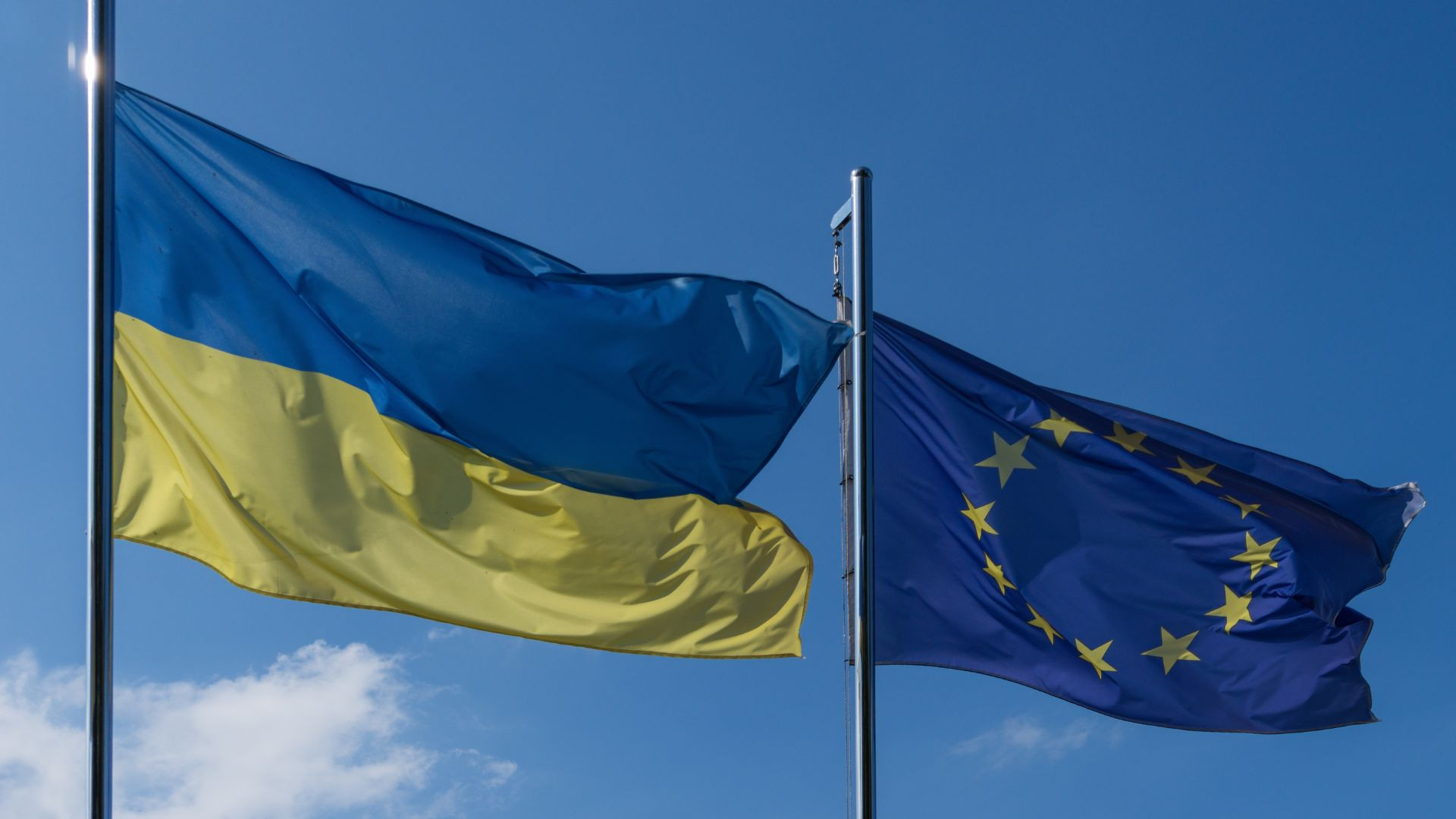
The European Union is developing a new financing mechanism for Ukraine for 2026–27 — a reparations-backed loan secured by frozen Russian assets. Under this plan, Ukraine would receive funding now and repay the money only once the Russian Federation pays reparations. If approved, the mechanism could set a precedent in international law, potentially inspiring similar efforts to mobilize the assets of aggressor states worldwide, European Pravda reports.
Initially, the EU discussed a €140 billion reparations loan. However, on 3 December, European Commission President Ursula von der Leyen announced that the EU now proposes to cover two-thirds of Ukraine’s financial needs for the next two years — or €90 billion.
Most EU member states support the proposal. “There is a growing consensus among us that not only European taxpayers should pay to support Ukraine, but also that Russia must be held accountable. Russia is the culprit, it caused the damage and must answer for it. And I believe that now we have a reliable, legal way to do this through the reparations proposals,” von der Leyen said in early October.
Belgium Seeks to Share Risks With Other EU Members
At the same time, Belgium has voiced several reservations about the reparations loan. The largest share of Russian funds — €185 billion out of €211 billion frozen in the EU — is held by the Belgian depository Euroclear.
Belgian Prime Minister Bart De Wever wrote to von der Leyen calling the reparations-backed loan “fundamentally incorrect,” as it may put Belgium in a vulnerable position. “It would be unfair and dishonest to expect that, while the benefits of such a scheme would be shared by all, the costs and risks would fall on Belgium,” De Wever wrote. He also added that rushing the mechanism could hinder peace negotiations between Ukraine and Russia.
Belgium therefore seeks to share economic, legal, and political risks with other EU countries. In turn, they should collectively provide liquidity to cover the amount of assets held at Euroclear if sanctions against Moscow are lifted, European Pravda cites De Wever. In addition, other Western countries that have frozen Russian assets should commit to similar arrangements.
“Reparations loan does not take us further from peace; rather, it strengthens Ukraine's position at the negotiating table by raising the cost of aggression for the Kremlin. This is why Russia is launching hybrid attacks against Belgium, a country that essentially holds the key vote on this issue. This only proves how important it is to make the right decision — and take another step toward lasting peace in Europe,” said NAKO Executive Director Olena Tregub.
What Is the European Commission Proposing?
This week, the European Commission announced that it has prepared a proposal for a reparations loan that takes into account Belgium’s earlier concerns. According to von der Leyen, the Commission has introduced “very strong safeguards to protect member states and minimize risks.” The proposal covers not only Euroclear but also other financial institutions holding frozen Russian assets.
“Very importantly, we have created a very strong solidarity mechanism, where, at the very end, the EU can intervene. We want to reassure all our member states, but especially Belgium, of one thing: we will share the burden fairly, as is the European way,” von der Leyen said.
Nevertheless, even before the proposal was presented, Belgium strongly criticized the prepared document, European Pravda reports. “We have repeatedly said that we consider the option of the reparations loan the worst of all. As it is risky, it has never been done before,” said Belgian Foreign Minister Maxime Prévot. Therefore, the Belgian government insists that the EU should borrow funds on external markets instead.
Why Must the Reparations Loan for Ukraine Be Approved as Soon as Possible?
Currently, Ukraine receives only the interest generated by the frozen Russian assets — while the assets themselves remain in the depository. Meanwhile, the €18 billion allocated under the ERA Loans program from the EU is set to be fully disbursed by the end of 2025. Europe is therefore searching for new options, and the reparations-backed loan is being called is the most effective way to sustain Ukraine's defense and its economy. And the clearest way to make Russia understand that time is not on its side.”
The EU is also considering other options if agreement on the reparations loan cannot be reached — for example, borrowing on external financial markets specifically for Ukraine. According to von der Leyen, EU member states must unanimously approve such borrowing.
Given its limited financial resources, Ukraine is in urgent need of external support. According to IMF estimates, Ukraine’s unmet financial needs will exceed €135 billion in 2026–27 — assuming the war ends by late 2026. It is important that funding from international partners begins no later than the second quarter of 2026, supporting both the state budget and defense needs. Any delay will directly affect the combat readiness of the Ukrainian Armed Forces, RBC-Ukraine reports.
During the three years of Russia’s full-scale invasion, Ukraine has suffered at least €500 billion in damage. The total amount of damage since 2014 could reach €850 billion, according to the Office of the President of Ukraine.
