

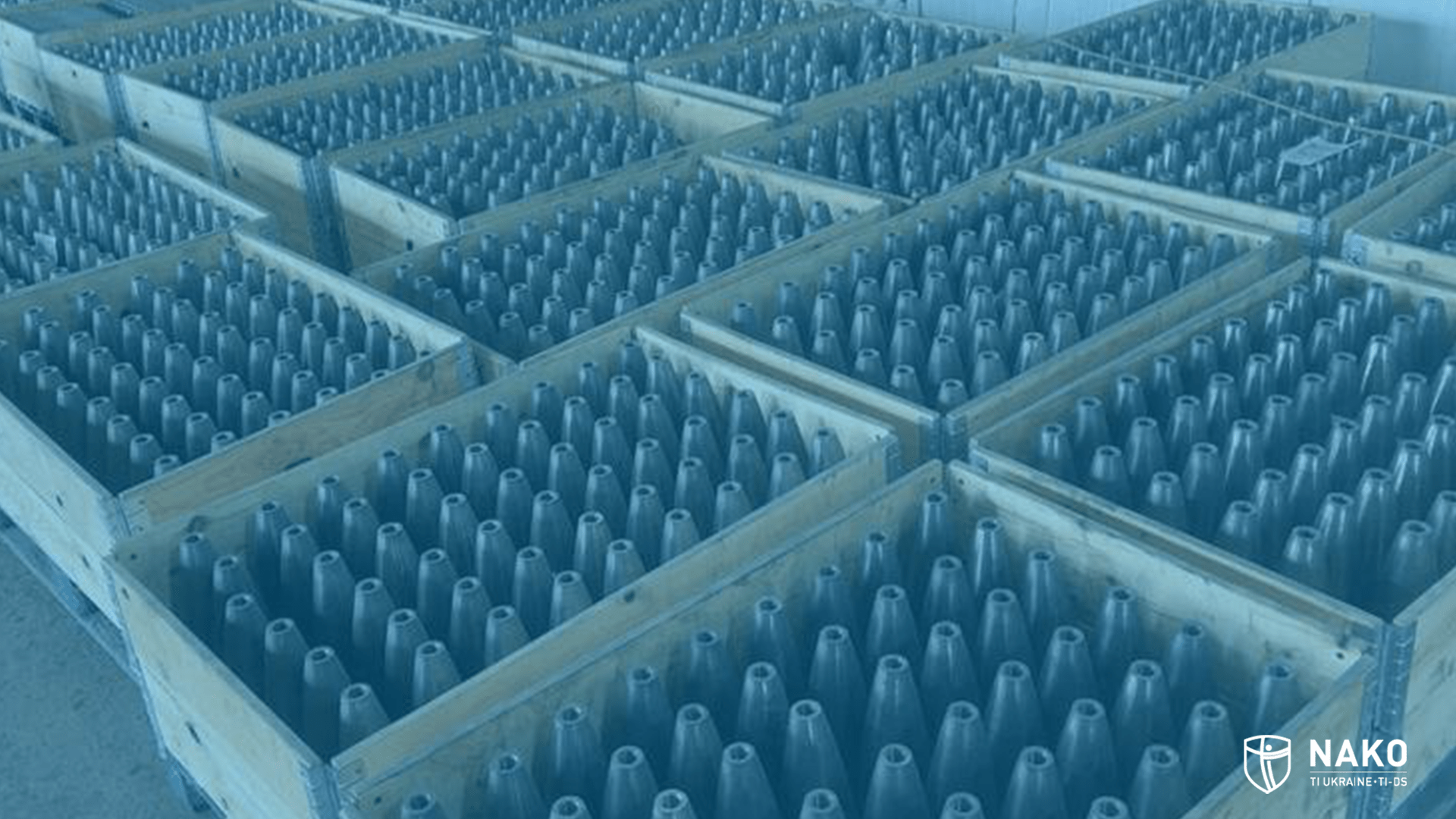
At the end of 2024, Ukraine's security and defense sector was marked by two high-profile scandals: non-transparent ammunition procurements by the State Border Guard Service of Ukraine and quality issues with domestically produced mines for the Armed Forces of Ukraine. Both incidents have drawn significant public attention, raising concerns about the effectiveness of procurement systems and quality control for defense products.
Non-Transparent State Border Service Procurements: A New Player with Corruption Risks
On November 29, the Cabinet of Ministers of Ukraine issued Directive No. 1191-r, reallocating UAH 23 billion for ammunition procurement by the SBS. This decision was met with a wave of criticism, as experts and the public flagged several potentially risky aspects:
Key Issues:
-Middleman Demanding 100% Prepayment
-On November 27, the SBGS received an offer from an intermediary firm to supply a large batch of ammunition. The firm required full prepayment without clear guarantees.
-Limited Verification Time
-Only 10 days were allocated to verify the supplier and inspect the goods, an unreasonably short period for a thorough assessment.
-Lack of Transparency
Critics have highlighted the risk of involving a new supplier without adequate vetting. Reports suggest the contractor could be a Polish firm, PHU Lechmar, linked to numerous “shell companies.” In 2023, Ukraine's Defense Procurement Agency (DPA) deemed this same company unreliable.
Bypassing Established Mechanisms
The SBS disregarded established structures like the DPA and Ukroboronprom, which have mechanisms to avoid unreliable suppliers.
Unanswered Questions:
Experts and anti-corruption organizations are concerned about the lack of clarity on:
-The supplier’s licensing for military goods trade.
-The supplier’s storage capacity and stock readiness.
-Whether the ammunition prices align with market rates.
-Delivery schedules and other critical contract details.
NAKO (Independent Anti-Corruption Commission) calls for transparency and urges the Cabinet of Ministers and SBS to provide all documents related to this contract.
Quality Issues with Ukrainian-Made Mines: A Threat to Soldiers’ Lives
Another alarming issue concerns 120mm and 82mm mines manufactured in Ukraine for the Armed Forces. Media and public reports reveal serious defects in these munitions, endangering the lives of Ukrainian soldiers.
Identified Problems:
-Targeting Deviation
-Mines were observed deviating 100–600 meters from their target during tests.
-Malfunctions
-Some mines failed to exit the mortar barrel, while others did not detonate upon impact.
Dangerous Defects
-Incidents of propellant combustion within mortar barrels posed risks to soldiers.
-Systemic Flaws
-Poor quality of fuels and detonators indicates production process violations.
Causes:
The core issue lies in inadequate quality control by military representatives from the Ministry of Defense, who are responsible for assessing production facilities and final products. Experts also suspect potential corruption in contracts with manufacturers incapable of meeting required standards.
Public Demands and Proposed Solutions
The public and media demand decisive action to prevent such occurrences in the future. Key recommendations include:
For SBS Procurements:
– Conduct an independent audit of the contract.
– Provide full information about the supplier.
– Enforce strict quality checks before signing contracts.
For Domestic Mines:
– Investigate manufacturers and military quality control representatives.
– Reform quality control policies to meet NATO standards.
– Include public representatives in audits and inspections.
Conclusion
Scandals in the security and defense sector underscore the urgent need for reforming Ukraine’s procurement and quality control systems. Non-transparency and substandard equipment jeopardize national security and erode international partners' trust. In times of war, every hryvnia must be spent efficiently, and every piece of equipment must meet the highest standards.